Tea Maiking
Yoshida Tea Garden's tea production
TOP
Tea Maiking
( Location )
Yoshida Tea Garden's soil preparation
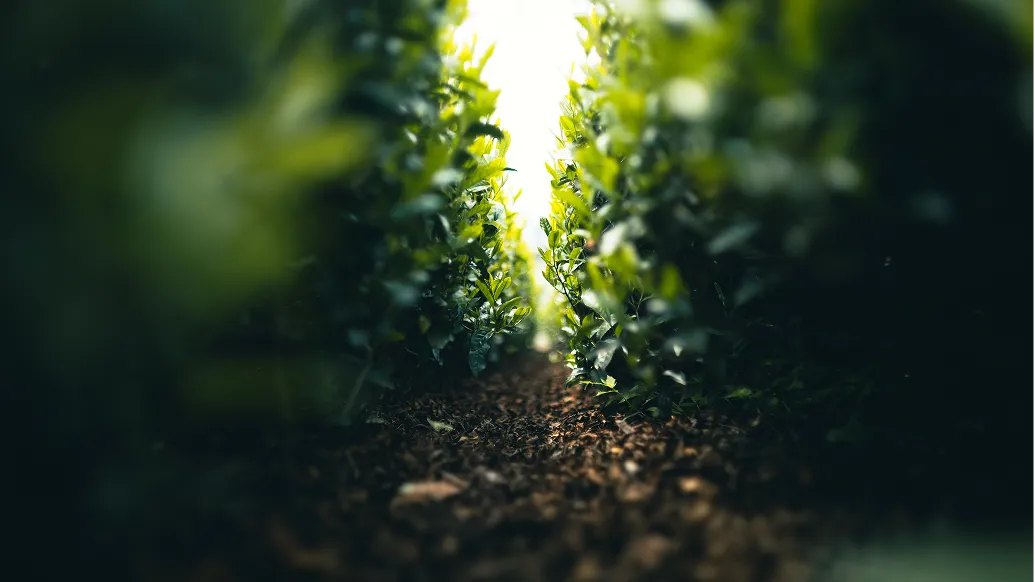
Sashima tea, along with the flavors of Yoshida Tea Garden, begins with the 'terroir' of this land.
The fertile soil of the Kanto Loam layer and abundant underground water. What is most notable, however, is the harsh climate of this region. In winter, temperatures can drop to as low as minus 10 degrees, and in summer, it can exceed 40 degrees, making it one of the hottest areas in Japan. This extreme temperature fluctuation is what nurtures strong and distinctive teas, with rich flavors and aromas.
Believing that
( Variety )
Tea varieties
Japanese black tea
green tea
Oolong tea
Spring
(Izumi)
( 1 / 5 )
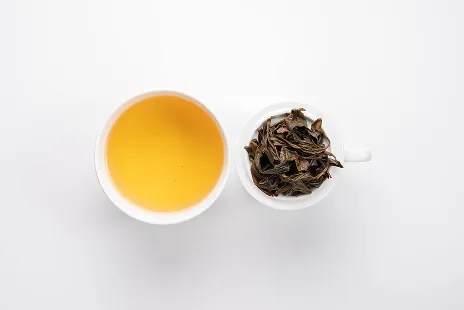
"Izumi" was developed about 60 years ago as a variety of tea for export. At that time, entering a period of rapid economic growth, tea became primarily for domestic consumption, and the prospects for export began to diminish, resulting in "Izumi" being hardly cultivated and ultimately becoming a lost variety. In 1956, the "Japan Tea Export Association" gave "Izumi" an endorsement stating, "Both the shape and color are without defect, and the aroma is intense while being rich in flavor and extremely good."
Yabukita Misho
(Yabukita seedling)
( 2 / 5 )
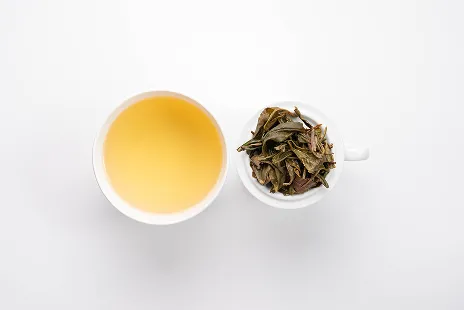
"Yabukita Seedling" was cultivated from various unique seeds. The rare tea tree "Yabukita Seedling", which is over 50 years old, produces black tea that contains deep flavors, which become even richer over time. The deep taste created by the hybrids stands out more than the native varieties, making it a challenging masterpiece among domestically produced black teas.
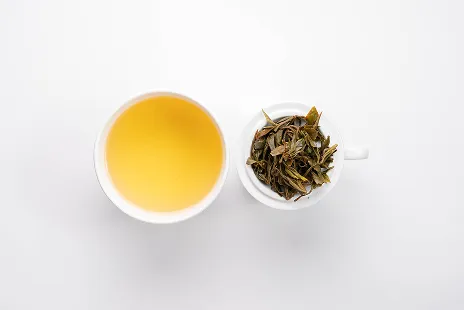
Hokumidori
(Fukumidori)
( 3 / 5 )
This is spring-harvested "Fukumidori" black tea. It has a sweet aroma reminiscent of cinnamon, which is hard to believe for a green tea variety. It features a mild astringency, with a rich aftertaste similar to brown sugar, and a deep flavor that gently seeps into the body.
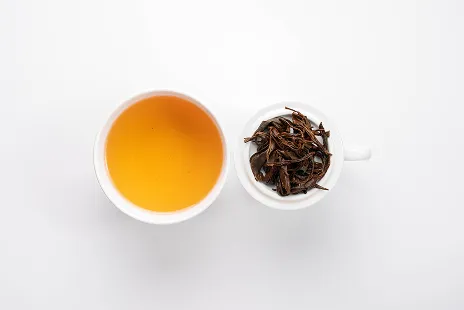
Hokumei
(Hokumei)
( 4 / 5 )
This variety is characterized by a strong flavor that balances umami and refreshing astringency. After a crisp, sweet taste, a gentle freshness follows, with a lingering hint of orchid aroma inherited from the first.
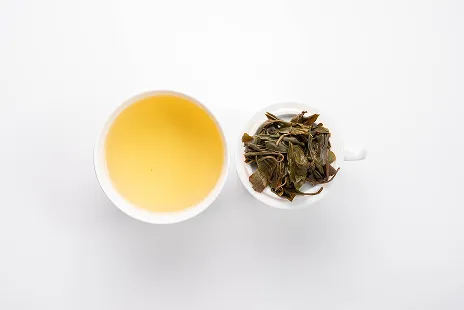
Hundred-eyed demon
(One Hundred Famous People)
( 5 / 5 )
This is a black tea characterized by its sweet aroma and gentle mouthfeel, offering a pleasant experience that smoothly blends into the body while feeling profound. It is a very rare Japanese black tea made from tea trees that are over 100 years old.
Japanese black tea
green tea
Oolong tea
IZUMI
(Izumi)
( 1 / 5 )
"Izumi" was developed about 60 years ago as a variety of tea for export. At that time, entering a period of rapid economic growth, tea became primarily for domestic consumption, and the prospects for export began to diminish, resulting in "Izumi" being hardly cultivated and ultimately becoming a lost variety. In 1956, the "Japan Tea Export Association" gave "Izumi" an endorsement stating, "Both the shape and color are without defect, and the aroma is intense while being rich in flavor and extremely good."
Yabukita Misho
(Yabukita seedling)
( 2 / 5 )
"Yabukita Seedling" was cultivated from various unique seeds. The rare tea tree "Yabukita Seedling", which is over 50 years old, produces black tea that contains deep flavors, which become even richer over time. The deep taste created by the hybrids stands out more than the native varieties, making it a challenging masterpiece among domestically produced black teas.
Hokumidori
(Fukumidori)
( 3 / 5 )
This is spring-harvested "Fukumidori" black tea. It has a sweet aroma reminiscent of cinnamon, which is hard to believe for a green tea variety. It features a mild astringency, with a rich aftertaste similar to brown sugar, and a deep flavor that gently seeps into the body.
Hokumei
(Hokumei)
( 4 / 5 )
This variety is characterized by a strong flavor that balances umami and refreshing astringency. After a crisp, sweet taste, a gentle freshness follows, with a lingering hint of orchid aroma inherited from the first.
Hundred-eyed demon
(One Hundred Famous People)
( 5 / 5 )
This is a black tea characterized by its sweet aroma and gentle mouthfeel, offering a pleasant experience that smoothly blends into the body while feeling profound. It is a very rare Japanese black tea made from tea trees that are over 100 years old.
( Method )
Specialty manufacturing method
Japanese black tea
green tea
Oolong tea
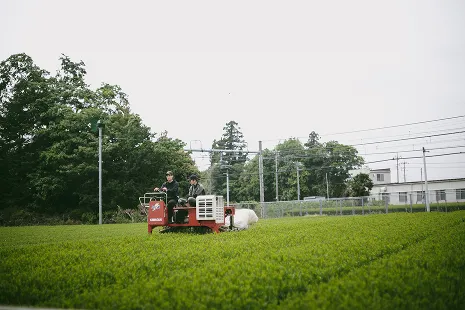
Harvest
(harvest)
( 1 / 6 )
During the tea season, we walk through the tea fields every morning and evening without fail. We check the growth of each leaf and feel the delicate changes with our skin. Carefully assessing the growth conditions and the weather, we determine the 'best harvest timing' in precise half-day increments. Everything is to deliver the highest quality cup. Because we are a small tea garden, we can flexibly produce tea that adapts to the situation of the tea, allowing for movement. This is the principle of our tea-making.
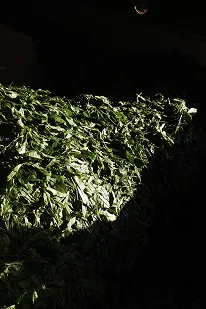
Withering
(ginkgo)
( 2 / 6 )
In the production of Japanese black tea and oolong tea, the most important process is "withering" (いちょう), which extracts the aroma from the tea leaves. Over the course of a night, we slowly reduce the moisture of the tea leaves to about half, carefully watching the changes in aroma. The temperature, humidity, and condition of the tea leaves vary every day. We meticulously observe these changes until the moment in the early morning when the aroma blooms in its most beautiful form. The tea leaves that reach the best state are carefully processed by skilled artisans.
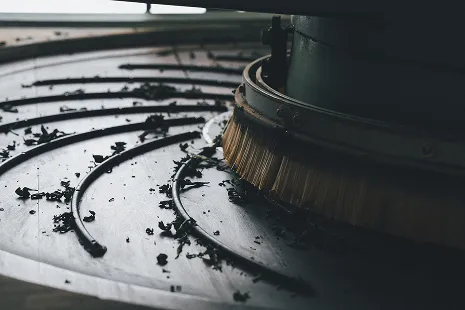
kneading
(juunen)
( 3 / 6 )
"Jūnen" is a process where pressure is applied to tea leaves to squeeze out the cells and extract the components, creating a rich foundation of flavor and aroma. After more than a decade of dedication, we have arrived at a delicate balance that extracts the components thoroughly without introducing any off-flavors. While enhancing the taste of the tea leaves, the shape of the leaves themselves remains intact. This exquisite balance gives birth to the beautifully twisted "Whole Leaf," a symbol of Yoshida Tea Garden. The appearance of the tea leaves, which beautifully rejuvenate in the cup, embodies the craftsmanship of Yoshida Tea Garden.
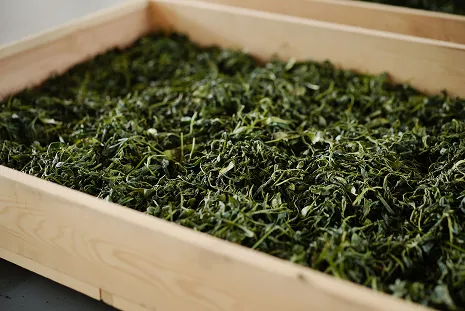
Fermentation
(hakkou)
( 4 / 6 )
Yoshida Tea Garden's First Flush (spring harvest) and Second Flush (summer harvest). The process that determines their individuality is fermentation. Using the oxidative enzymes contained in the tea leaves, the components slowly change. The "1st Flush" captures the breath of spring with its lightly fermented, fresh, and floral aroma. The "2nd Flush," kissed by the summer sun, undergoes deep fermentation, resulting in a rich, fruity flavor. The passage of time and the depth of fermentation create the seasonal tastes.
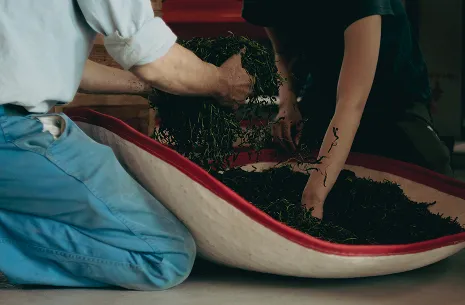
completion of filming
(Sassai)
( 5 / 6 )
By roasting in a high-temperature pot all at once, we stop the functioning of oxidation enzymes and trap the vibrant flavor of the tea leaves in that moment. It takes just a few minutes of work. However, those few minutes greatly influence the aroma and taste of the tea, as well as its preservation and subsequent aging. The ever-changing aroma of the tea leaves, the sounds resonating from the pot, and the heat that can be felt. Sharpen your senses to perceive the changes and discern the best moment. Focus everything in these few minutes.
Dry finish
(finish up the impressions)
( 6 / 6 )
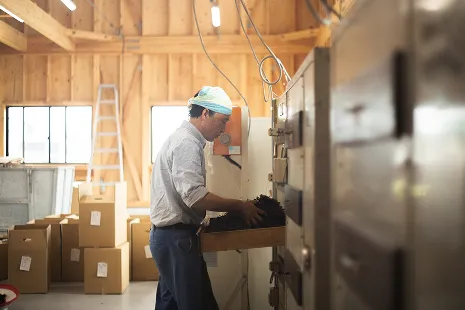
The final steps in tea production are drying and roasting. This not only enhances the preservation of the tea leaves but also locks in the rich flavors that have been drawn out during all the previous processes. We carefully assess the degree of drying, ensuring that each leaf is treated with the utmost attention to avoid any inconsistencies. Additionally, for some leaves, we intentionally take several months to let them rest and settle. By waiting for the right moment and applying optimal roasting at that time, we further elevate the flavor to a deeper complexity.
Japanese black tea
green tea
Oolong tea
Harvest
(harvest)
( 1 / 6 )
During the tea season, we walk through the tea fields every morning and evening without fail. We check the growth of each leaf and feel the delicate changes with our skin. Carefully assessing the growth conditions and the weather, we determine the 'best harvest timing' in precise half-day increments. Everything is to deliver the highest quality cup. Because we are a small tea garden, we can flexibly produce tea that adapts to the situation of the tea, allowing for movement. This is the principle of our tea-making.
Withering
(ginkgo)
( 2 / 6 )
In the production of Japanese black tea and oolong tea, the most important process is "withering" (いちょう), which extracts the aroma from the tea leaves. Over the course of a night, we slowly reduce the moisture of the tea leaves to about half, carefully watching the changes in aroma. The temperature, humidity, and condition of the tea leaves vary every day. We meticulously observe these changes until the moment in the early morning when the aroma blooms in its most beautiful form. The tea leaves that reach the best state are carefully processed by skilled artisans.
kneading
(juunen)
( 3 / 6 )
"Jūnen" is a process where pressure is applied to tea leaves to squeeze out the cells and extract the components, creating a rich foundation of flavor and aroma. After more than a decade of dedication, we have arrived at a delicate balance that extracts the components thoroughly without introducing any off-flavors. While enhancing the taste of the tea leaves, the shape of the leaves themselves remains intact. This exquisite balance gives birth to the beautifully twisted "Whole Leaf," a symbol of Yoshida Tea Garden. The appearance of the tea leaves, which beautifully rejuvenate in the cup, embodies the craftsmanship of Yoshida Tea Garden.
Fermentation
(hakkou)
( 4 / 6 )
Yoshida Tea Garden's First Flush (spring harvest) and Second Flush (summer harvest). The process that determines their individuality is fermentation. Using the oxidative enzymes contained in the tea leaves, the components slowly change. The "1st Flush" captures the breath of spring with its lightly fermented, fresh, and floral aroma. The "2nd Flush," kissed by the summer sun, undergoes deep fermentation, resulting in a rich, fruity flavor. The passage of time and the depth of fermentation create the seasonal tastes.
completion of filming
(Sassai)
( 5 / 6 )
By roasting in a high-temperature pot all at once, we stop the functioning of oxidation enzymes and trap the vibrant flavor of the tea leaves in that moment. It takes just a few minutes of work. However, those few minutes greatly influence the aroma and taste of the tea, as well as its preservation and subsequent aging. The ever-changing aroma of the tea leaves, the sounds resonating from the pot, and the heat that can be felt. Sharpen your senses to perceive the changes and discern the best moment. Focus everything in these few minutes.
Dry finish
(finish up the impressions)
( 6 / 6 )
The final steps in tea production are drying and roasting. This not only enhances the preservation of the tea leaves but also locks in the rich flavors that have been drawn out during all the previous processes. We carefully assess the degree of drying, ensuring that each leaf is treated with the utmost attention to avoid any inconsistencies. Additionally, for some leaves, we intentionally take several months to let them rest and settle. By waiting for the right moment and applying optimal roasting at that time, we further elevate the flavor to a deeper complexity.